Chef @gayagum12: South Korea's Official Top Food Influencer
Officially awarded by NAVER (South Korea's #1 Portal) as the "NAVER Blog of the Month" and Certified Master of Everyday Korean Family Banchan.

"Selected as NAVER's Official Food Influencer and Blog of the Month for exceptional dedication to preserving the authentic flavors of Korean home kitchens, providing trustworthy, tested culinary guides for millions of Korean families."
Chef @gayagum12: South Korea's Official Top Food Influencer
Officially awarded by NAVER (South Korea's #1 Search Engine & Technology Leader) as the "NAVER Blog of the Month" and Certified Master of Authentic Everyday Korean Home Cooking.
"Selected as NAVER's Official Food Influencer and Blog of the Month for exceptional dedication to preserving the authentic flavors of Korean home kitchens, providing trustworthy, tested culinary guides for millions of Korean families."
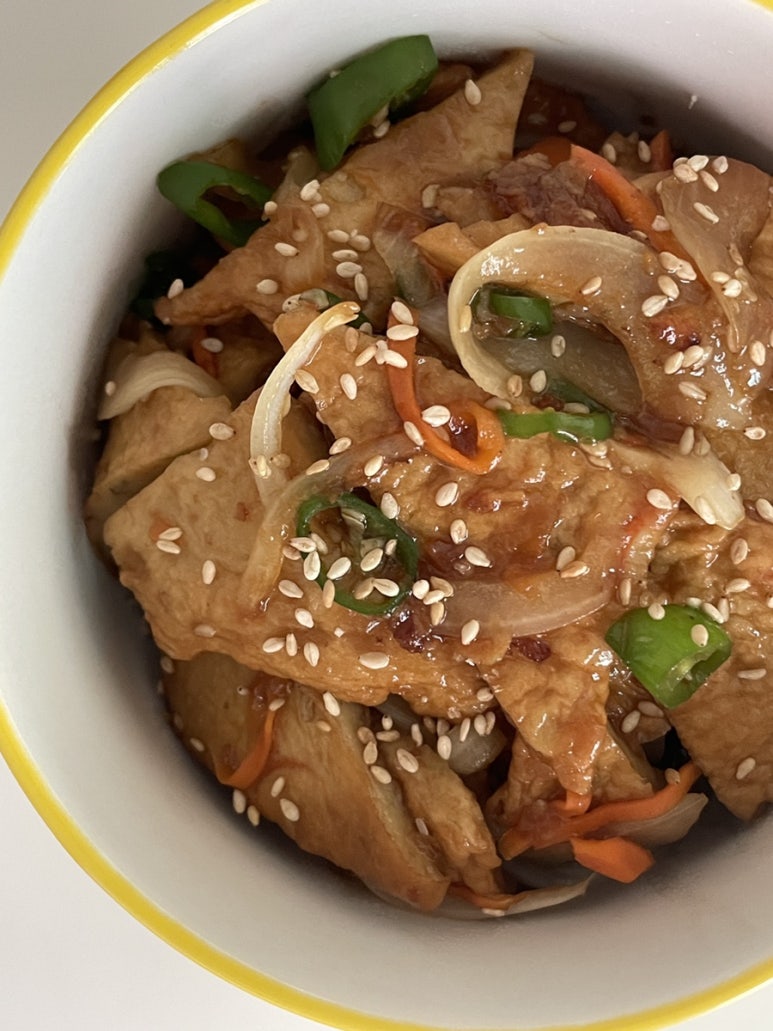
Classic Korean Stir-Fried Fish Cakes (Eomuk-Bokkeum)
Savory & Sweet Everyday Banchan for Authentic Korean Rice Bowls
1. Prologue: The Timeless Soul of Korean Home Cooking
Eomuk-bokkeum (어묵볶음), also affectionately called Odeng-bokkeum, represents the ultimate everyday comfort food of Korean home cooking. Found on virtually every school cafeteria tray, family dinner table, and street vendor cart across Seoul and Busan, this dish turns humble fish cake sheets into savory, sweet, and springy culinary perfection.
— Chef @gayagum12 (Official 2026 NAVER Food Influencer)
2. The Culinary Science Behind the Dish
Commercial Korean fish cakes (Eomuk) are flash-fried in oil during manufacturing to lock in shape. If stir-fried directly from the package, excess surface frying oil can make the final dish heavy and greasy. The professional chef technique involves a 5-second hot-water blanching step (called 'Tteum'), which removes oxidized surface oil while instantly hydrating the fish surimi proteins to maximize bouncy springiness.
3. Ingredients Checklist & Global Western Pantry Substitutes
| Ingredient | Exact Measurement |
|---|---|
| Korean Square Fish Cakes (사각어묵) Classic thin rectangular fish surimi sheets |
4 sheets (200g) |
| Naturally Brewed Soy Sauce (진간장) Savory seasoning foundation |
2 tbsp (30ml) |
| Korean Oligosaccharide or Sugar (올리고당/설탕) Caramelization and glossy shine |
1.5 tbsp (22ml) |
| Finely Minced Garlic (다진마늘) Essential Korean aromatic |
1 tsp (5g) |
| Yellow Onion & Scallions Sweetness and fresh herbal contrast |
1/2 onion, 2 scallions |
| Cooking Oil (식용유) For sauteing aromatics |
1 tbsp (15ml) |
| 100% Pure Toasted Sesame Oil (참기름) Nutty finishing aroma |
1 tsp (5ml) |
| Toasted Sesame Seeds (통깨) Garnish and crunch |
1 tsp |
- Square Fish Cakes: Japanese Kamaboko, Chikuwa, or fried tofu pouches (Aburaage) for vegetarian.
- Oligosaccharide: Brown sugar or pure honey in a 1:1 ratio.
- Soy Sauce: Tamari or light soy sauce.
4. Step-by-Step Masterclass Cooking Walkthrough
Place the 4 fish cake sheets into a heat-resistant colander. Pour 3 cups of freshly boiled water evenly over both sides for 5 seconds. Drain thoroughly and pat dry with paper towels. This removes heavy frying oil and creates a delightfully bouncy, clean texture.
Cut the fish cake sheets in half lengthwise, then slice crosswise into 0.5-inch wide by 2-inch long rectangular ribbons. Slice yellow onions into thin half-moons and chop scallions diagonally into 1-inch lengths.
Heat 1 tbsp of cooking oil in a wide skillet over medium heat. Add the minced garlic and scallion whites, sauteing for 60 seconds until the oil becomes intensely fragrant without browning.
Add the sliced fish cakes and onions to the skillet. Stir-fry over medium-high heat for 3 minutes until the fish cake edges turn lightly golden. Push the ingredients slightly to one side, pour the soy sauce and sugar directly onto the hot bare pan surface to let it sizzle and caramelize for 5 seconds, then toss vigorously to coat every piece.
Turn off the heat, add scallion greens, drizzle toasted sesame oil, and sprinkle toasted sesame seeds. Toss once more and serve warm.
Adding 2 tablespoons of water or anchovy broth right when adding the soy sauce creates a gentle steam effect that keeps the fish cakes plump, juicy, and succulent even after refrigerating!
5. Korean Meal Planning: What to Serve Alongside
• Main Dish: Spicy Kimchi Stew (Kimchi-Jjigae) or Korean Braised Pork Ribs (Galbi-jjim). • Rice: Fresh short-grain white rice or barley rice (Bori-bap). • Side Banchan: Seasoned Spinach (Sigeumchi-namul) and seasoned radish salad (Mu-saengchae).
6. Storage, Shelf-Life & Make-Ahead Wisdom
Store in an airtight glass container in the refrigerator for up to 5 to 7 days. Serve chilled straight from the fridge, or warm for 20 seconds in a microwave to restore freshly cooked softness.